Difficult access clearance Gloucester Road insider tips for trades
Posted on 18/06/2026
Difficult Access Clearance Gloucester Road: Insider Tips for Trades
If you work on refurbishments, fit-outs, or small-scale strip-outs around Gloucester Road, you already know the headache: the job itself is rarely the problem, it's the access. Narrow entrances, tight stairwells, awkward mews layouts, parking pressure, shared halls, and neighbours who are not thrilled about noise at 7 a.m. can turn a straightforward clearance into a slow, frustrating day. That is exactly why difficult access clearance Gloucester Road insider tips for trades matters. Done properly, it keeps the job moving, protects the building, and saves you from the kind of delays that eat into margins. This guide breaks down the practical side of planning, loading, compliance, and local decision-making so you can work faster without cutting corners.
There's no magic trick here, to be fair. Good difficult-access clearance is mostly about preparation, calm sequencing, and knowing what to expect before the van arrives. A little foresight saves a lot of lifting.
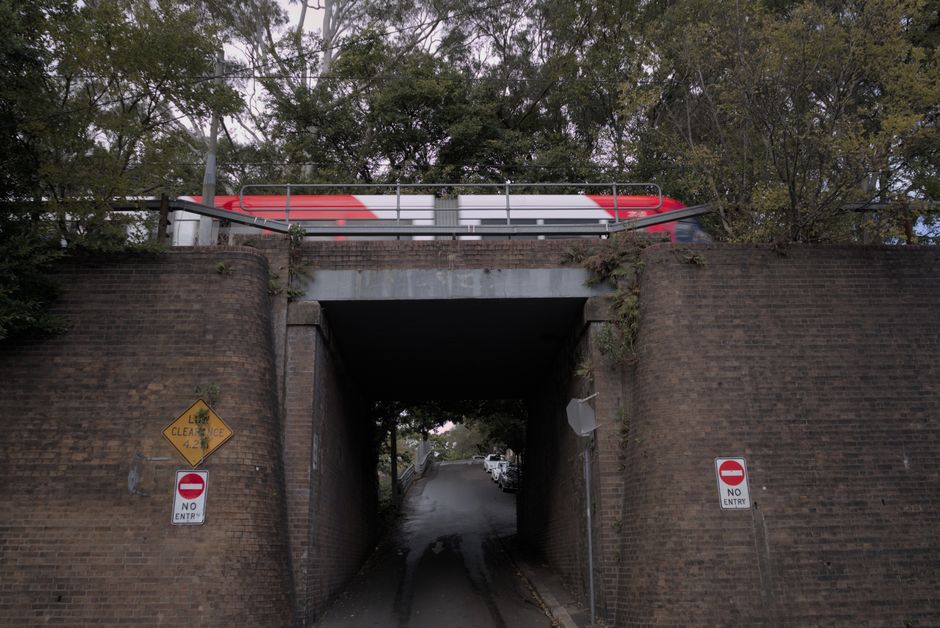
Why Difficult Access Clearance Gloucester Road Insider Tips for Trades Matters
Gloucester Road sits in that classic London mix of busy main-road frontage and tucked-away residential pockets. You get basement flats, upper-floor conversions, narrow communal entrances, and the occasional building where the lift is either tiny, unreliable, or reserved for residents only. For trades, that means clearance work is not just about removing waste; it is about moving material through a constrained environment without causing disruption.
Why does that matter so much? Because every extra trip down a cramped staircase costs time, and every stumble, scrape, or blocked hallway creates risk. If the removal team is guessing their route or the trades crew hasn't agreed the order of works, small problems pile up fast. And once the site is congested, even a simple run to the vehicle becomes a bit of a circus.
It also matters commercially. A clearance that is planned well can free up working space for electricians, decorators, plumbers, or joiners. A badly managed clearance can hold everyone up. In busy areas near transport links and major roads, that delay can ripple through the whole schedule. You do not want to be the person explaining why the final fix has slipped because rubble, packaging, or dismantled fittings were left blocking the route.
For many trades, clearance is part of the project, not an afterthought. That mindset changes everything.
Useful background on service scope and job planning can be found in the site's services overview and the more specific builders' waste disposal in South Kensington page, which is helpful when you're comparing what type of clearance fits a site.
How Difficult Access Clearance Gloucester Road Insider Tips for Trades Works
At a practical level, difficult access clearance is a sequence. You assess the site, identify the bottlenecks, prepare the items for removal, and choose the right method to get waste out with minimal disruption. That sounds obvious, but the difference between an okay job and a smooth one is often in the details.
On a Gloucester Road property, the route from the work area to the vehicle may involve stairs, shared corridors, front steps, security doors, or a loading bay that has limited availability. The clearance team usually has to decide whether to move items directly to the vehicle, stage them in a safe holding area, or break them down first so they fit through the route.
In our experience, the best jobs are the ones where the trades team and the clearance crew agree a basic plan before anything is lifted. Who clears first? What stays on site? Where should heavy items be stacked? Which materials need separating for recycling? If those questions are answered early, the rest tends to flow a lot better.
There's also the question of timing. Some clearances are best done after the messy strip-out is finished, while others work better in phases. For example, if you're refurbishing a kitchen in a top-floor flat, a first clearance might remove old units and packaging early, then a second run collects the heavy waste once the final strip-out is complete. Simple idea, but it stops the site from turning into a storage unit for rubble.
When access is especially tight, the choice of vehicle and load method matters too. Smaller vehicles can be easier around side streets and tight kerbs, while larger loads may still be more efficient if access and parking are manageable. The right choice depends on what is being removed, how far it needs to be carried, and how much room there is to work without blocking residents or passing traffic.
Key Benefits and Practical Advantages
There are some obvious benefits to getting difficult-access clearance right, but the less obvious ones matter just as much.
- Less downtime for trades: if waste is removed in a controlled way, other trades can work without constantly stepping around debris.
- Lower risk of damage: careful planning reduces the chance of scratched walls, chipped bannisters, or broken fixtures in tight stairwells.
- Better neighbour relations: a quiet, tidy clearance is far less likely to trigger complaints in shared buildings.
- Cleaner handover: a final clearance at the right stage makes the property look presentable for inspection, snagging, or client sign-off.
- Improved recycling outcomes: separating materials properly can support more responsible disposal rather than a mixed load sent off without sorting.
There is also a mental benefit, strangely enough. A well-planned clearance takes pressure off the whole team. People lift better, move better, and make fewer daft mistakes when the route is clear and the job is predictable. That sounds small, but anyone who has wrestled a wardrobe through a narrow hallway will know exactly what I mean.
For trade teams handling recurring jobs, it can be worth comparing clearance with alternatives like direct waste collection or more general waste removal. The site's rubbish collection in South Kensington and waste clearance in South Kensington pages are useful if you want to understand which approach is more practical for a given site layout.
Who This Is For and When It Makes Sense
This kind of planning is not just for big contractors. It is useful for anyone working in a restricted-access property where waste cannot simply be wheeled out in one clean line.
It makes sense for:
- builders working on flats, mews homes, or converted townhouses
- kitchen and bathroom fitters dealing with bulky old units
- electricians, decorators, and general trades who create packaging and strip-out waste
- property managers coordinating turnover between tenants
- developers preparing a space for snagging, inspection, or resale
- small firms handling one-off refurbishments near busy roads or shared entrances
It is especially useful when the site has one or more of these issues:
- stair-only access
- no practical parking outside the property
- restricted loading times
- shared access with residents or businesses
- fragile finishes, expensive flooring, or recently decorated areas
- large, awkward items that cannot be carried in one piece
If the job is in a block with strict access rules, it's worth checking how the site will be cleared before the first delivery even lands. That one habit can save an awful lot of stress later.
For people also managing interiors, tenant moves, or end-of-project furniture, the pages on furniture removal in South Kensington and furniture disposal in South Kensington can help clarify what can be taken away as part of a broader clearance plan.
Step-by-Step Guidance
Here is the simplest way to handle difficult access clearance around Gloucester Road without overcomplicating it.
- Walk the route first. Measure the access from the work area to the vehicle point. Don't just glance at it. Look for stair width, corners, low ceilings, locked doors, and any point where two people can't pass.
- Identify what can be dismantled. Flat-pack waste, old carcasses, broken fixtures, and long pieces of timber often move much easier when broken down first.
- Separate waste streams where possible. Wood, metal, plasterboard, general mixed waste, and reusable items should not all be thrown into one pile if you can help it.
- Decide the loading order. Put the bulkiest items out first only if the route is clear; otherwise, keep the site staged so you don't trap yourself in a corner.
- Protect the route. Use coverings or edge protection where needed. A scuffed wall on a fresh refurb is the sort of thing nobody remembers to budget for.
- Agree timing with neighbours or the building manager. Quiet starts, lift bookings, and parking slots can make or break the day.
- Clear in phases if the site is congested. If a single large uplift will block access, split it. It is usually slower on paper, but smoother in reality.
- Do a final sweep. Check for nails, dust, screws, and small offcuts. The last 10 minutes can prevent a callback.
A useful rule of thumb: if the route feels awkward in trainers with empty hands, it will feel a lot worse with a wardrobe panel under one arm. Plan for the awkward version, not the easy one.
Expert Tips for Better Results
These are the sorts of details that tend to separate a tidy job from a messy one.
- Use a staging point near the exit. A safe temporary pile near the door can stop the interior from becoming a maze of half-moved rubbish.
- Assign one person to route control. On small sites this is often overlooked. Someone should be watching doors, lifts, and awkward corners while others carry.
- Take photos before moving anything. It helps if there is later confusion about damage, missing items, or what was agreed to be removed.
- Keep a short list of no-go items. Hazardous materials, sealed containers, and questionable waste should be checked rather than guessed at.
- Think in terms of lift angles, not just dimensions. A sofa may fit on paper and still fail at the stair turn. Annoying, yes. Very London though.
- Schedule around building rhythm. Some properties are quiet early in the morning, but some have school runs, deliveries, or concierge handovers that make certain windows terrible.
Another overlooked tip: keep communication short and plain. "We will bring down the old units after 11, then sweep the hallway and load from the front" works better than a vague "we'll sort it somehow." Clear plans calm everyone down.
If your job is time-sensitive, the article on same-day rubbish removal and avoiding delays is a useful companion read because it covers the pressure points that tend to show up when the schedule is tight.

Common Mistakes to Avoid
Most access problems are not dramatic failures. They're small errors made early, then repeated all day.
- Skipping the route check: if you don't measure the tightest point, you are guessing.
- Leaving waste until the end: that often creates a bottleneck when trades are tired and the site is already cluttered.
- Ignoring shared access rules: one irritated neighbour can slow a whole day down.
- Mixing everything together: mixed waste is harder to sort and can create avoidable disposal issues.
- Overloading carriers or hallways: too much stacked in one place becomes unsafe very quickly.
- Forgetting the final sweep: screws in a hallway or dust on a stair landing can undo otherwise good work.
A big one, especially on older properties: assuming the "obvious" route is the best route. Sometimes the side entrance is easier than the main hallway. Sometimes the lift is slower than one careful stair run. Sometimes the back alley is more practical, if it is available. The best route is the one that actually works, not the one that sounds convenient.
Tools, Resources and Recommendations
You do not need a van full of specialist kit to manage difficult access well, but a few sensible tools make a huge difference.
- Measuring tape: for door widths, stair turns, and bulky items.
- Heavy-duty gloves: useful for rough edges, plasterboard, timber, and mixed waste.
- Protective coverings: to reduce scuffs on floors, thresholds, and paintwork.
- Head torches or strong task lighting: especially useful in basements, lofts, and dim landings.
- Basic dismantling tools: screwdrivers, a pry bar, and a cutter can turn awkward items into manageable pieces.
- Trolleys or sack trucks: only where the route allows them; they are brilliant when they fit, and useless when they don't.
- Sorting bags or labels: handy for separating fixings, reusable items, and mixed debris.
For job planning and pricing clarity, it helps to look at the site's pricing and quotes page before agreeing the scope. And if there are white goods involved, the white goods and appliance disposal page is worth checking because appliances often need different handling from general clearance items.
For companies with mixed commercial work, the broader commercial waste removal page is also relevant, especially if the clearance includes office strip-out material, packaging, or old fixtures from a shopfit.
Law, Compliance, Standards, or Best Practice
When you are clearing waste on a live site, compliance is not optional. The practical duty is simple: make sure waste is handled safely, transferred to a legitimate carrier, and disposed of responsibly. In the UK, trades and site managers should be careful about using properly registered waste carriers and keeping the paperwork or records that show waste has been dealt with correctly.
That is particularly important if the job includes mixed construction waste, appliances, electrical items, or anything that might need special treatment. You do not need to overcomplicate it, but you do need to be sure the disposal route is proper. If you hand waste to the wrong person, the headache can come back on the producer. Nobody wants that conversation.
Best practice usually includes:
- using a reputable waste carrier with clear procedures
- keeping the site tidy and free from trip hazards
- separating materials where practical
- avoiding blocked communal areas
- checking any building-specific access rules in advance
- being careful with items that may contain sharp edges, dust, or residues
There are also sensible safety considerations. If a route is too tight for safe manual handling, the job should be broken into smaller movements rather than forced through. A rushed carry through a narrow landing is how minor damage becomes an incident. The site's insurance and safety page is useful context for understanding the sort of safeguards a responsible provider should have in place.
If you want a clearer idea of carrier standards and responsible disposal, have a look at the site's waste carrier licence and compliance page. It gives a useful sense of the checks that matter before a trade team hands over waste.
Options, Methods, or Comparison Table
Different jobs need different methods. Here is a simple comparison to help you choose the right approach for a difficult-access clearance near Gloucester Road.
| Method | Best for | Strengths | Trade-offs |
|---|---|---|---|
| Direct manual carry-out | Small to medium loads with clear but narrow access | Fast, flexible, minimal equipment | Can be hard on staff and awkward on tight stairs |
| Phased clearance | Live sites, shared buildings, or staged refurbishments | Reduces congestion and keeps trades moving | Takes more coordination across the day |
| Break-down first, remove later | Bulky items, awkward furniture, old units, joinery offcuts | Makes impossible items manageable | Needs time and basic tools on site |
| Small-vehicle collection | Restricted roads, loading constraints, limited parking | Often easier near tight access points | May require more than one trip if load is large |
| Mixed waste uplift | General refurbishment debris | Convenient and simple for trades | Less sorting flexibility if you want to recycle more carefully |
In a real job, the answer is often a blend of two methods. For example, break down bulky units first, then do a phased manual carry-out to a small vehicle. That is not glamorous, but it works.
Case Study or Real-World Example
Picture a typical first-floor flat off Gloucester Road. The trades team has stripped out an old kitchen, leaving carcasses, worktops, tiles, packaging, and a few heavy bits of broken masonry. The hallway is shared, the stairwell turns sharply halfway down, and the front parking is tight enough that two cars passing each other becomes an event.
On a rushed day, the site can easily go wrong. Waste is piled too early in the corridor, a fridge is left in the wrong place, and the route to the exit is blocked by offcuts. Then someone has to stop mid-task, move everything again, and the job drags on. You can almost hear the collective sigh.
Now compare that with a better plan. The team measures the stair turn before starting. The kitchen units are broken down near the work area. Packaging is bagged separately. A short staging point is set by the front door, away from the shared walkway. The heaviest items go last, after the route is cleared. No drama. No scrambling.
The difference is not just about speed. The better-planned job protects the hallway, keeps the neighbours calmer, and makes the final sweep easier. That is what good difficult-access clearance looks like in practice: simple, disciplined, and a little unexciting. Which is exactly what you want.
If you're dealing with a wider strip-out or construction phase, the site's builders' waste removal SW7 and rubbish removal near South Kensington Station content can give you more context on job types and access patterns that are common in this part of London.
Practical Checklist
Use this before the clearance begins. It keeps the job grounded and stops small issues snowballing.
- Have I walked the route from the work area to the vehicle?
- Are the tightest corners, stairs, and doors measured?
- Have I identified items that need dismantling first?
- Is there a staging point that will not block access?
- Have I separated waste streams where practical?
- Do I know the building's access rules and timing limits?
- Have I checked whether parking or loading is likely to be a problem?
- Is the route protected from scuffs and dust?
- Do I know which items need special handling?
- Has someone been assigned to keep an eye on doors, lifts, or shared spaces?
- Is there time for a final sweep and sign-off?
If the answer to even two of those is "not yet," it's worth slowing down for ten minutes. That small pause usually pays for itself later.
For broader disposal planning, the site's waste disposal and recycling and sustainability pages are helpful reference points for thinking about what should be reused, recycled, or cleared away responsibly.
Conclusion
Gloucester Road jobs reward preparation. That's the plain truth. If access is tight, the clearance has to be planned around reality rather than hope: the route, the load, the timing, the neighbours, and the safety of everyone on site. Get those pieces right and the work feels smoother, faster, and less stressful. Get them wrong and even a modest clearance can turn into a long day of shuffling, lifting, apologising, and starting again.
For trades, the real goal is not just to remove waste. It is to keep the project moving, keep the site usable, and keep the finish clean. Do that well, and people notice. Not always out loud, of course, but they notice.
Get a free quote today and see how much you can save.
And if you are comparing different clearance approaches, it never hurts to look at the full range of service options, check the practical details, and choose the method that makes the site easier to work on tomorrow morning. That's the quiet win.