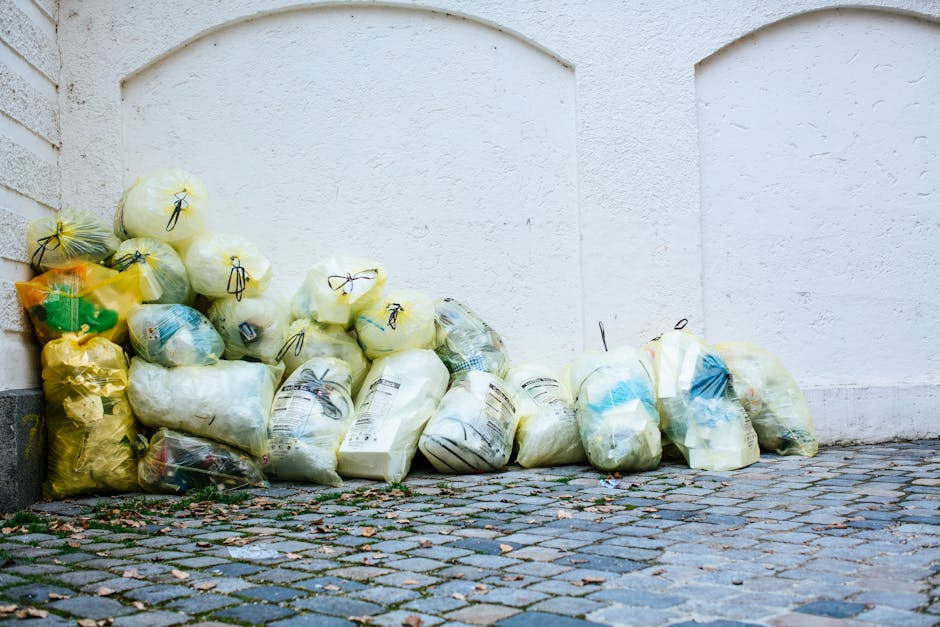
Last minute event waste collection and common problems in SW7
Posted on 20/10/2026

If you have ever hosted an event and watched the bins overflow before the last guest has even picked up a coat, you already know the pressure. Last minute event waste collection and common problems in SW7 is not just a tidy-up job; it is the difference between a smooth finish and a messy, stressful exit. In South Kensington, where access can be tight and timing matters, even a small delay can throw the whole schedule off. This guide breaks down what last-minute event clearance involves, why it matters, where things usually go wrong, and how to handle it properly without turning the end of the night into a scramble.
Why Last minute event waste collection and common problems in SW7 Matters
SW7 has a particular rhythm. You have venues, private homes, corporate spaces, pop-up functions, gallery nights, and the kind of post-event footfall that can make even a well-planned pickup more awkward than expected. Waste builds quickly when people are moving, eating, drinking, unpacking, and leaving all at once. Add South Kensington traffic, narrow access points, shared entrances, loading restrictions, or a late-running event, and suddenly the rubbish job becomes more than a bin liner problem.
That is why last-minute event waste collection matters. It helps prevent complaints, avoids leaving a venue looking rough the next morning, and reduces the risk of staff or guests trying to handle sharp, heavy, or awkward waste themselves. In our experience, the real issue is rarely the amount of waste alone. It is the timing, the access, and the pressure to clear everything with very little notice.
Common problems in SW7 often include blocked service entrances, mixed waste streams, fragile or expensive event materials, and rushed decisions about what can and cannot be removed. The area also has a lot of properties where stairs are narrow, parking is limited, and collection windows are short. That all sounds obvious, but when you are standing in a half-cleared room at 10:45 pm, it feels a bit less obvious. Truth be told, this is where a fast, organised approach saves the day.
If your event also involves venue setup, furniture movement, or bulky items, it can help to think beyond simple rubbish pickup. A more complete clearance approach may be needed, especially if you are dealing with packaging, broken decor, catering leftovers, or furniture that needs to go too. For heavier or mixed loads, pages like furniture removal in South Kensington and waste clearance in South Kensington are useful reference points for understanding the wider service picture.
How Last minute event waste collection and common problems in SW7 Works
Last-minute event waste collection is usually a rapid response service. The idea is simple: assess the waste, arrange a suitable collection window, send a crew with the right vehicle, load the materials safely, and dispose of them properly. The practical reality is a little more involved, because an event rarely ends with neatly stacked bags and a quiet side door.
Typically, the process starts with a quick description of what needs removing. That might include bagged general waste, cardboard, bottles, catering waste, broken display items, dismantled staging, or leftover furniture. A decent provider will ask about access, parking, lift availability, and whether the site has any time restrictions. If they do not ask those questions, that is usually a sign to slow down and think twice.
Once the team arrives, they will usually work through the load in stages: quick visual check, sorting if needed, lifting, carrying, and safe loading. If there is mixed waste, it may need separating so recyclable material is not thrown in with everything else. For many event organisers, the useful bit is that the crew can take care of the physical work while the venue team gets on with closing down, checking inventory, or just breathing for a moment. A small mercy, really.
If the event is near a busy transport point or a tricky access route, collection timing matters even more. Some organisers pair fast clearance with services such as SW7 rubbish collection when the job is mainly bagged waste, or with broader waste removal support when the space needs a more complete reset. For larger event setups, the planning mindset is very similar to the approach discussed in this guide to event rubbish planning and collection.
Key Benefits and Practical Advantages
There is a reason last-minute collections are so heavily relied on. When they are done well, they keep the event ending clean, calm, and manageable. That sounds basic, but in a busy part of London basic things can be the hardest to achieve.
- Faster venue turnaround: If the room needs to be handed back quickly, a same-evening or next-morning clearance can make a real difference.
- Less stress for staff: Your team can focus on guests, closing tasks, and payment checks instead of wrestling bin bags or cardboard towers.
- Cleaner presentation: No one wants to open the doors the next day to stains, loose packaging, or a line of black bags by the entrance.
- Lower safety risk: Broken glass, torn packaging, and awkward lifting are all easier to deal with properly than in a rush.
- Better compliance and disposal: A reliable collection means waste is handled responsibly, not abandoned or mixed carelessly.
There is also a quieter benefit: reputation. Venues, hosts, and event teams are often judged on the finish as much as the event itself. A clean exit leaves a stronger impression than people expect. Guests might not remember the exact shape of the waste pile, but they absolutely remember whether the venue felt organised and looked cared for.
For businesses hosting launches, networking evenings, or client events, this links directly to wider commercial presentation. If your event space doubles as a working office or retail setting, you may also find the broader planning in commercial waste removal in South Kensington useful for thinking about regular disposal rather than one-off clearances.
| Collection approach | Best for | Main strength | Typical drawback |
|---|---|---|---|
| Same-day collection | Urgent event clearances, post-event spillovers | Fast response | Limited flexibility if access is poor |
| Pre-booked timed collection | Planned venues and scheduled finishes | More control over logistics | Needs better advance planning |
| Partial clearance | When some waste stays on site for later sorting | Efficient for prioritising the worst items | May leave the job half-done if expectations are unclear |
| Full event waste clearance | Large functions, venue resets, mixed debris | Comprehensive finish | Usually needs the most coordination |
Who This Is For and When It Makes Sense
Not every event needs a dedicated last-minute clearance. But plenty do. The service makes sense when the waste volume is bigger than expected, when the venue has no overnight storage, or when the event has ended later than planned. It also makes sense when the waste contains a mix of materials and you do not want staff spending an hour sorting it by hand.
This is especially useful for:
- private parties in flats, mews properties, and townhouses
- corporate events and launches
- gallery or exhibition openings
- weddings, receptions, and milestone celebrations
- temporary pop-ups and brand activations
- venue managers dealing with back-to-back bookings
- hosts who have underestimated packaging, glass, or decor waste
In SW7, this also fits the realities of property and venue turnover. A room may be used for an event one evening, then for client viewings, a private hire, or even a storage reset the next day. If you are thinking about the broader property or venue side of the area, the articles on whether Kensington is the right place for you and real estate investment in Kensington show just how much presentation and upkeep matter here.
It is also worth saying this plainly: if the event waste includes bulky chairs, old staging, or tired furniture from a fit-out or seasonal refresh, a dedicated clearance option may be the better fit than basic bin removal. That is where linked services such as furniture disposal or house clearance in South Kensington can become relevant, even for event settings.
Step-by-Step Guidance
If you are arranging a last-minute event collection in SW7, the process becomes much easier when you strip it back to simple steps. No drama, no guessing.
- List the waste types. Separate general rubbish, recyclables, glass, food waste, cardboard, furniture, and anything sharp or heavy.
- Check access first. Note loading bays, lift size, staircases, parking restrictions, and whether the collection point is at the front or rear.
- Estimate volume honestly. A few bags and one broken table are very different from a full room reset. Underestimating is common.
- Decide what must go immediately. Prioritise safety hazards, spill risks, and anything blocking the space.
- Choose the right collection window. Early morning, late night, or a short gap between guests and cleaners may all work differently.
- Confirm loading and handover details. Make sure the crew knows who will meet them, where to park, and what they should remove.
- Check the area after removal. Do a quick sweep for forgotten items, loose glass, or rubbish hidden behind screens or planters.
A useful little habit is to take photos before the collection starts. Not for drama, just for clarity. It helps everyone agree on what needs to be taken, and it saves the awkward "I thought that bit was staying" conversation later. Been there, seen that.
For events linked to properties with awkward access, especially around stairwells or narrow corridors, the practical advice in difficult access clearance tips is worth keeping in mind. It is not event-specific, but the access issues are very familiar.
Expert Tips for Better Results
The biggest improvement usually comes from preparation, not brute force. A crew can move fast, but only if the site is ready enough to let them work.
- Set a waste point before the event ends. One clearly labelled area reduces last-minute searching and random bags appearing everywhere.
- Keep recyclable materials separate where possible. Cardboard, bottles, and clean packaging are easier to manage when they are not mixed with food waste.
- Ask about timing flexibility. If the event might overrun, build in a little breathing room. Five or ten minutes can matter more than people think.
- Protect floors and lifts. A small bit of matting or cover can save a lot of cleanup afterwards, especially if drinks or rain are involved.
- Have one person in charge. Too many decision-makers slows everything down. One point of contact keeps things simple.
Another practical tip: do not leave waste sorting until the very end. That is when people get tired, someone is asking for the speaker cable, and somebody else has already thrown a useful box away. A little structure early on saves a lot of faffing.
If your event is connected to a business space, you may also want to look at office clearance in South Kensington for broader after-use planning. It is surprisingly relevant for conference rooms, meeting spaces, and hybrid work venues.
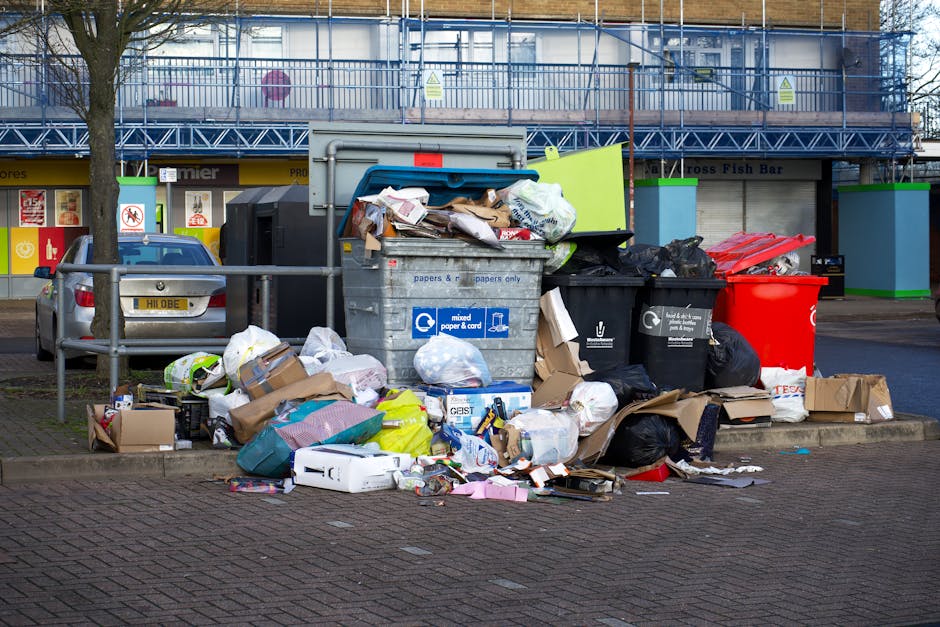
Common Mistakes to Avoid
The most common mistakes are very ordinary ones. That is what makes them so annoying. They happen because everyone assumes the job will be easy until the bins are full and the clock is running.
- Leaving the booking too late: The later you call, the fewer options you tend to have, especially at busy times.
- Guessing the volume: An underestimate often leads to extra trips or a rushed second collection.
- Ignoring access issues: If the vehicle cannot get close enough, everything takes longer and costs more in effort.
- Mixing waste types without thinking: Some materials need separate handling, and mixing them can create avoidable problems.
- Forgetting the event schedule: If the collection clashes with guest departures or security checks, it becomes messy very quickly.
- Assuming all waste can be left for morning: Food waste, glass, and wet packaging can become unpleasant overnight. Nobody wants that smell the next day.
There is also the issue of hidden extras. If you want a clearer view of what to ask before confirming a job, the article on hidden charges in South Kensington waste removal is a smart companion read. A few pointed questions upfront can prevent an awkward invoice later.
And yes, this sounds basic. But basic is usually what keeps an event job from becoming a headache.
Tools, Resources and Recommendations
You do not need fancy software to manage event waste well, but a few simple tools can make a huge difference.
- Clear bin labels: General, recyclable, glass, food, and breakables if needed.
- Heavy-duty sacks and boxes: Better than overfilled lightweight bags that split halfway down the corridor.
- Basic site map: Helpful for larger venues so the collection crew knows where everything is.
- Contact sheet: One phone number for the host, one for the venue, one for security if relevant.
- Flashlight or phone torch: Useful for end-of-night checks when people start switching lights off too early.
On the service side, the most practical supporting pages are usually those that explain what can be removed and how the process works. You may find waste disposal in South Kensington helpful for general disposal context, while builders waste disposal in South Kensington is worth checking if the event also includes temporary set construction or refurbishment debris.
For rooms that need more than a tidy-up, especially if storage areas or loft spaces were used for event equipment, loft clearance in South Kensington and the SW7-specific version can be relevant depending on how the materials are being stored and removed. Not glamorous, but very practical.
Law, Compliance, Standards, or Best Practice
Any proper waste collection service should work within UK waste handling expectations and use safe, responsible disposal practices. You do not need to become a compliance expert to book a collection, but it does help to know the basics. Waste should be handled by a suitable operator, transported responsibly, and taken to an appropriate disposal or recycling route. If the waste is mixed, bulky, or potentially hazardous, the handling standards need to be even more careful.
For event organisers, a simple rule works well: ask who is removing the waste, how it will be carried, and where it will go. That is sensible due diligence, not paranoia. If the collection includes commercial waste, venue waste, or materials from a business event, the expectation is that it should be managed in a way that avoids fly-tipping and keeps records sensible.
It is also wise to pay attention to carrier credentials, insurance, and basic safety practices. A trustworthy operator should be able to explain how they manage loading, vehicle use, and disposal. If you are comparing options, the page on waste carrier licence and compliance is directly relevant, and insurance and safety matters just as much when the job is urgent.
For payment clarity and booking confidence, it also helps to understand the service terms and how estimates are handled. That is where pricing and quotes and payment and security can support a better decision. No one likes surprises after a long event day, let's be honest.
Options, Methods, or Comparison Table
If you are deciding how to deal with event waste in SW7, the right option depends on urgency, volume, and access. Here is a practical comparison.
| Method | Best used when | Pros | Cons |
|---|---|---|---|
| Self-clearance | The waste is small, light, and manageable | Cheap in theory, immediate control | Time-consuming, physically demanding, higher risk of mistakes |
| Standard scheduled collection | You can plan the finish in advance | Good balance of cost and convenience | Less suitable for sudden overruns |
| Last-minute event collection | The event ran late or waste volume was underestimated | Fast response, minimal disruption | Needs clear access and accurate brief |
| Full waste clearance service | The venue needs a complete reset or there is mixed bulky waste | Most thorough option | Usually needs the most coordination |
For many SW7 events, the last option is the most realistic. Small party? Maybe not. Corporate function with props, packaging, and catering debris? Very possibly. The point is to match the method to the mess, not the other way round.
Case Study or Real-World Example
Here is a realistic example based on the sort of job that comes up often in South Kensington. A small private event was hosted in a rented venue space near the end of the week. The plan was simple: a few tables, floral displays, drinks service, and light catering. By the time the evening wound down, the space had more waste than expected: cardboard, glass bottles, food containers, broken packaging from display materials, and a couple of awkward decorative items that were not going back to the supplier.
The main problem was not the amount of waste. It was the timing. Guests left later than expected, staff were tired, and the venue needed to be reset the next morning. There was also restricted access at the rear of the building, so anything collected had to come out through a narrow service route. Classic SW7 behaviour, really.
The solution was to prioritise the items causing the biggest issues first: glass, food waste, and bulky packaging. The collection crew was told exactly where to park, which route to use, and what must be removed immediately. After that, the remaining clearing was straightforward. The next morning, the venue was presentable, the staff were less frazzled, and there was no trail of half-filled bags waiting around a side entrance. Everyone slept better. Probably the most underrated outcome of a good waste job.
This is the main lesson: last-minute event waste collection works best when the organiser stays calm, the waste is described accurately, and the access details are communicated early. Even if it is late in the day, there is usually still a clean way through.
Practical Checklist
Use this quick checklist before your collection arrives.
- Have you listed every waste type on site?
- Are glass, food waste, cardboard, and bulky items separated where possible?
- Do you know where the collection crew can park or stop safely?
- Is there a clear access route through the venue?
- Have you identified any stairs, lifts, tight corners, or low ceilings?
- Is one person responsible for meeting the crew?
- Have you removed anything valuable or sensitive from the clearance area?
- Do you know what must go now and what can wait until later?
- Have you checked for broken glass, spills, or sharp edges?
- Is the booking window realistic if the event overran?
Expert summary: In SW7, speed matters, but clarity matters more. The better you define the waste, the access, and the timing, the smoother the collection will be. That is the simple truth, and it saves a lot of trouble.
Get a free quote today and see how much you can save.
Conclusion
Last minute event waste collection and common problems in SW7 usually come down to three things: poor timing, unclear access, and underestimating the waste. Once you understand those pressure points, the whole process becomes much easier to manage. Whether you are closing down a private celebration, a business function, or a venue hire with awkward leftovers, the goal is the same: clear the space safely, quickly, and without drama.
In a place like South Kensington, where buildings are varied, streets are busy, and expectations are high, a good clearance plan does more than remove rubbish. It protects the finish of the event, helps staff avoid unnecessary stress, and leaves the space ready for whatever comes next. And honestly, that last part is worth a lot.
When the night is long and the bins are full, a calm, well-planned collection can feel like the best decision you made all day. Sometimes, that is enough.